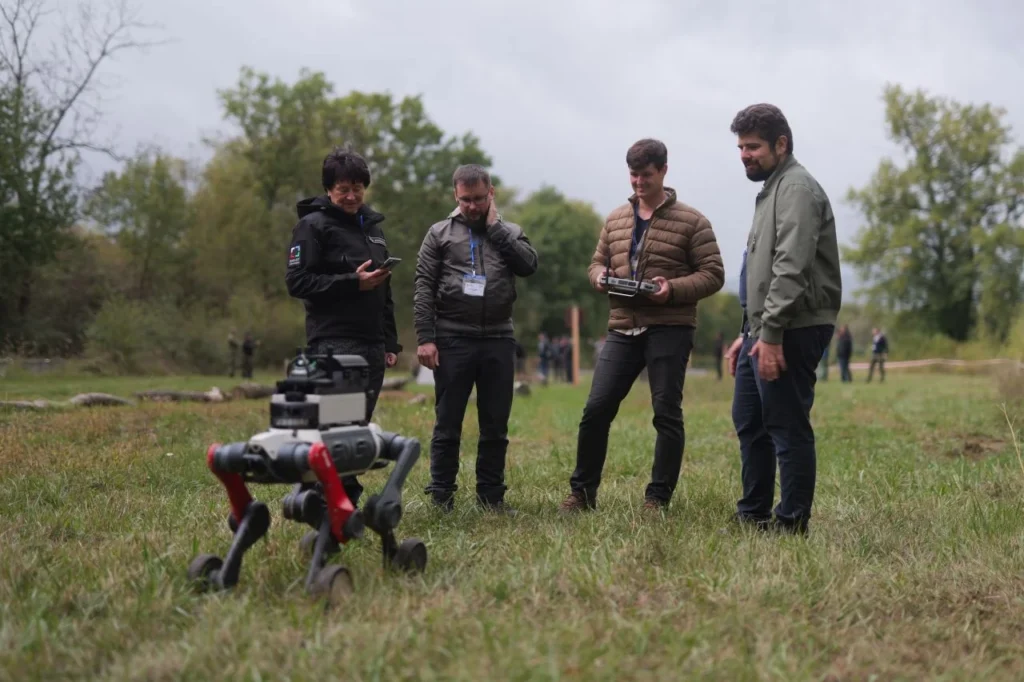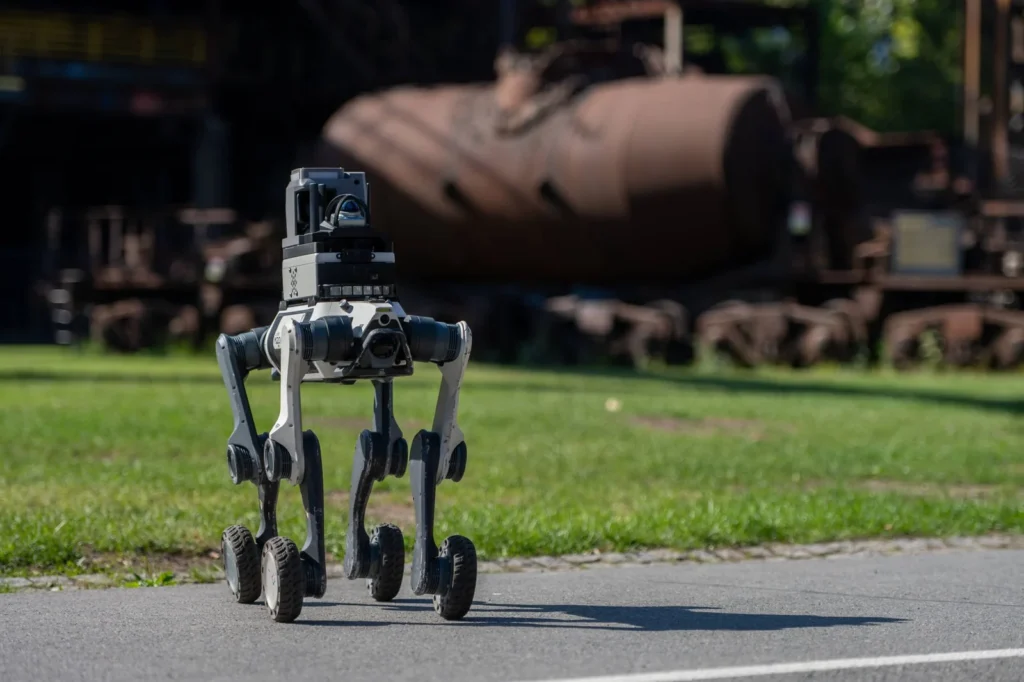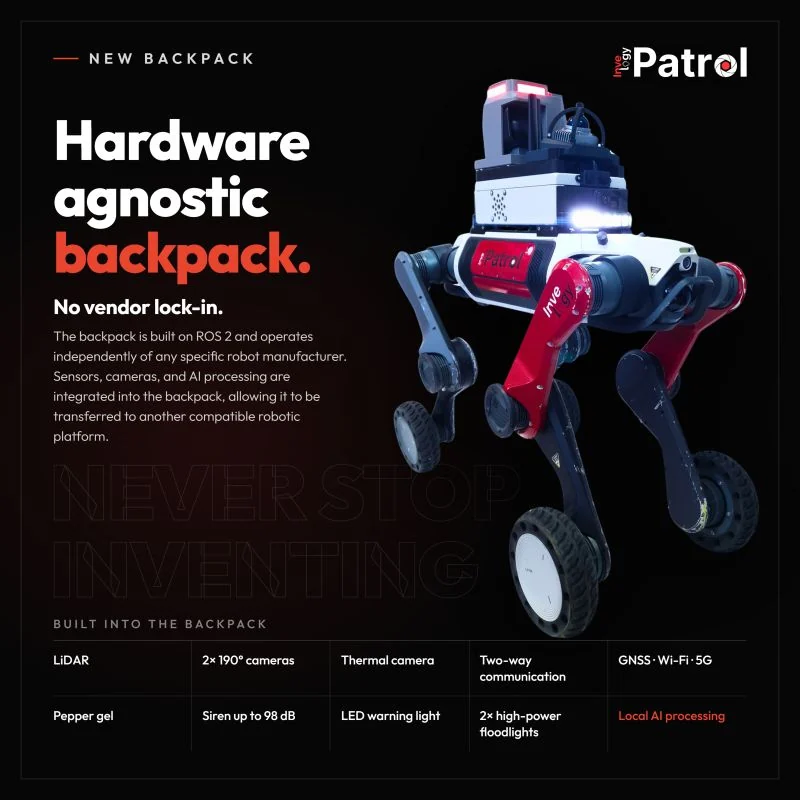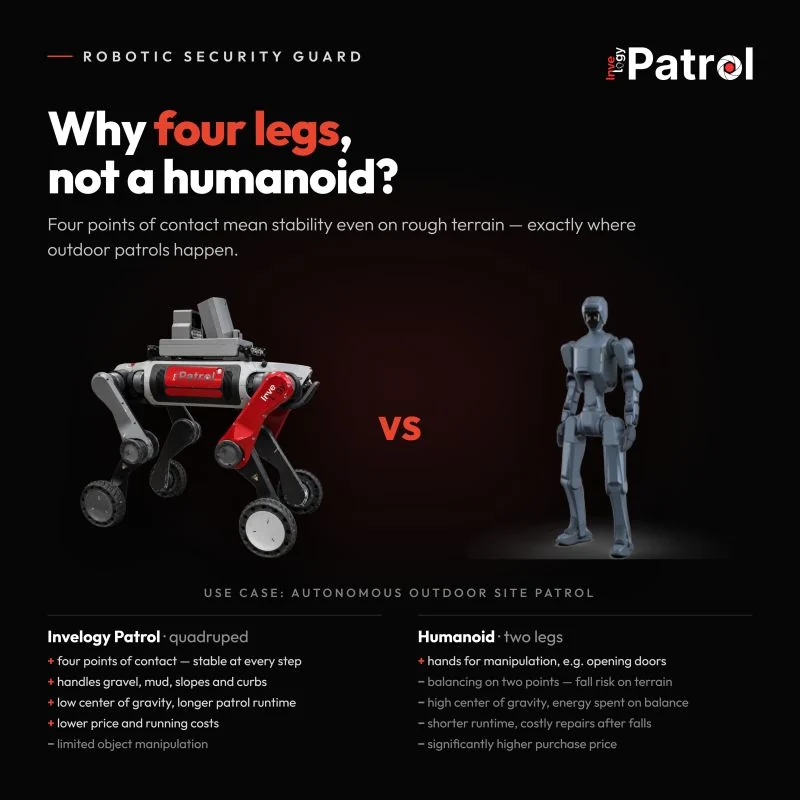
Building an autonomous security robot takes more than AI and software. A reliable robotic system also depends on the hardware beneath the surface: electronics, power, physical integration and the interfaces connecting individual components. That is why we develop custom hardware alongside the software behind Invelogy Patrol.
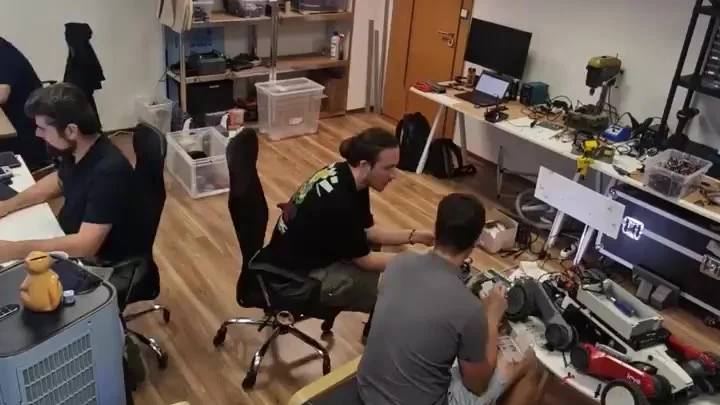
In this behind-the-scenes update, our team is working on the integration of a newly developed, populated custom printed circuit board (PCB) into the next generation of Invelogy Patrol. The process is captured in a short workshop timelapse.
Why we develop our own hardware
Adding cameras, sensors and onboard computing to a robot is only part of the engineering challenge. Those components still need to be connected, fitted into the available space and integrated into a system designed for its intended operating conditions.
Developing our own electronics gives us more control over that integration. Instead of building everything around the constraints of off-the-shelf boards, we can design layouts, connectors and interfaces around the needs of the robotic platform.
This matters as Invelogy Patrol evolves. A modular robot needs room for future upgrades, clear maintenance access and a hardware architecture that can adapt to new use cases.
From circuit board to robotic platform
The video shows one of the less visible but essential parts of robotics development: our team working directly on the hardware. Integrating a new PCB involves more than securing a board in place. Engineers also need to account for mechanical fit, cable routing, component access and the functional checks that follow assembly.
For that reason, our development process is iterative. A design becomes a prototype, the prototype is integrated and evaluated, and the findings inform the next revision.
What a prototype tells us
When people watch a robot move, the most visible features are often its navigation and cameras. Yet many of the decisions that influence system reliability are made behind the scenes.
In hardware development, we consider how a component fits into the wider system, how technicians will access it during maintenance, and what flexibility remains for future changes. The goal is not simply to assemble components, but to create a platform that can eventually operate outside a controlled workshop.
This custom PCB is one building block in that process. Integrating a prototype is an engineering milestone—not a claim that all validation is complete or that the hardware is ready for mass production.
Building Invelogy Patrol, one iteration at a time
Our long-term goal is to bring robotic mobility, sensors, electronics and software together in a cohesive autonomous security system. Custom hardware development is part of how we work toward that goal.
Not every meaningful milestone happens during a live demonstration. Sometimes it is the moment a newly designed and assembled circuit board makes its way into a robot for the first time.
Follow our development updates for more behind-the-scenes insights into how we are building Invelogy Patrol.