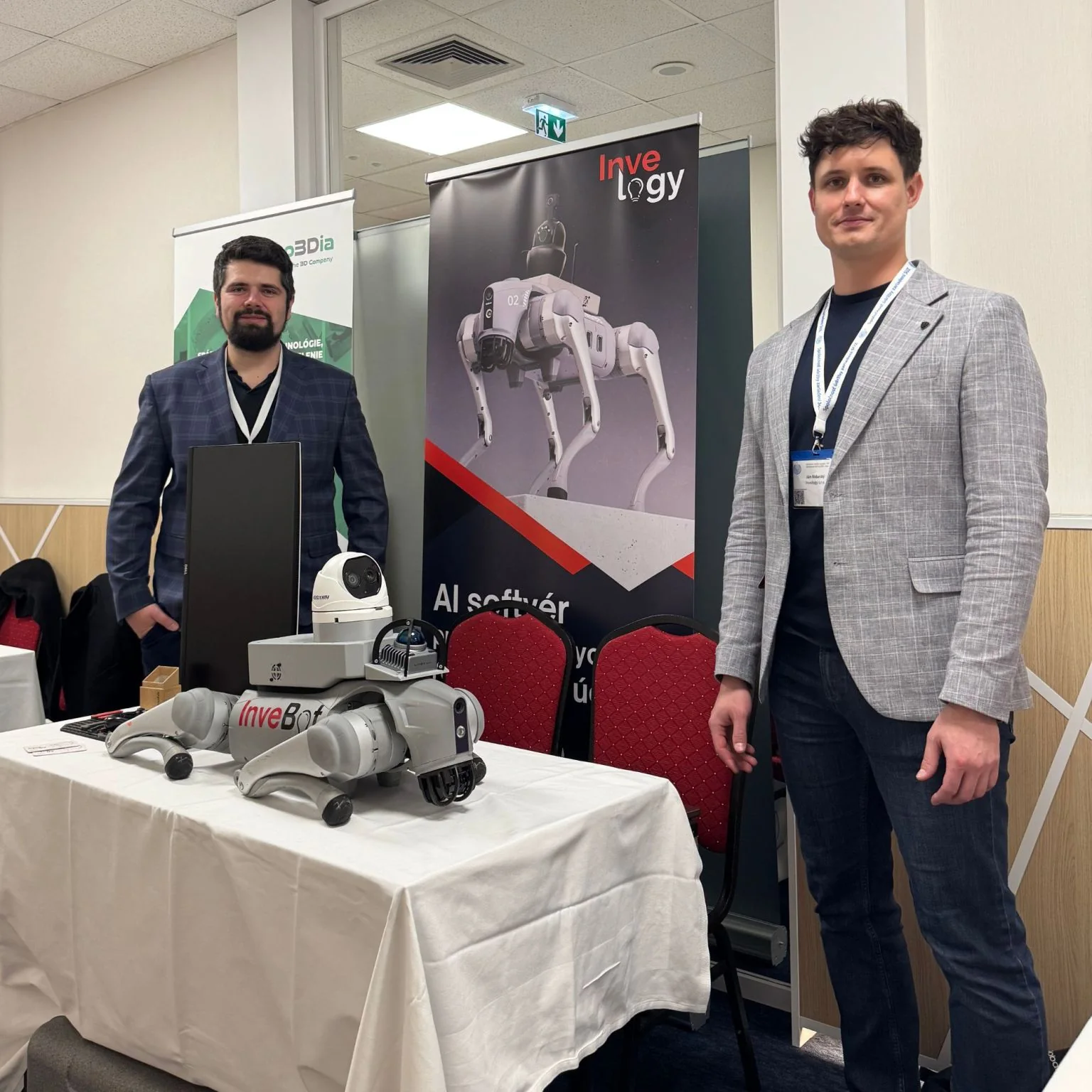
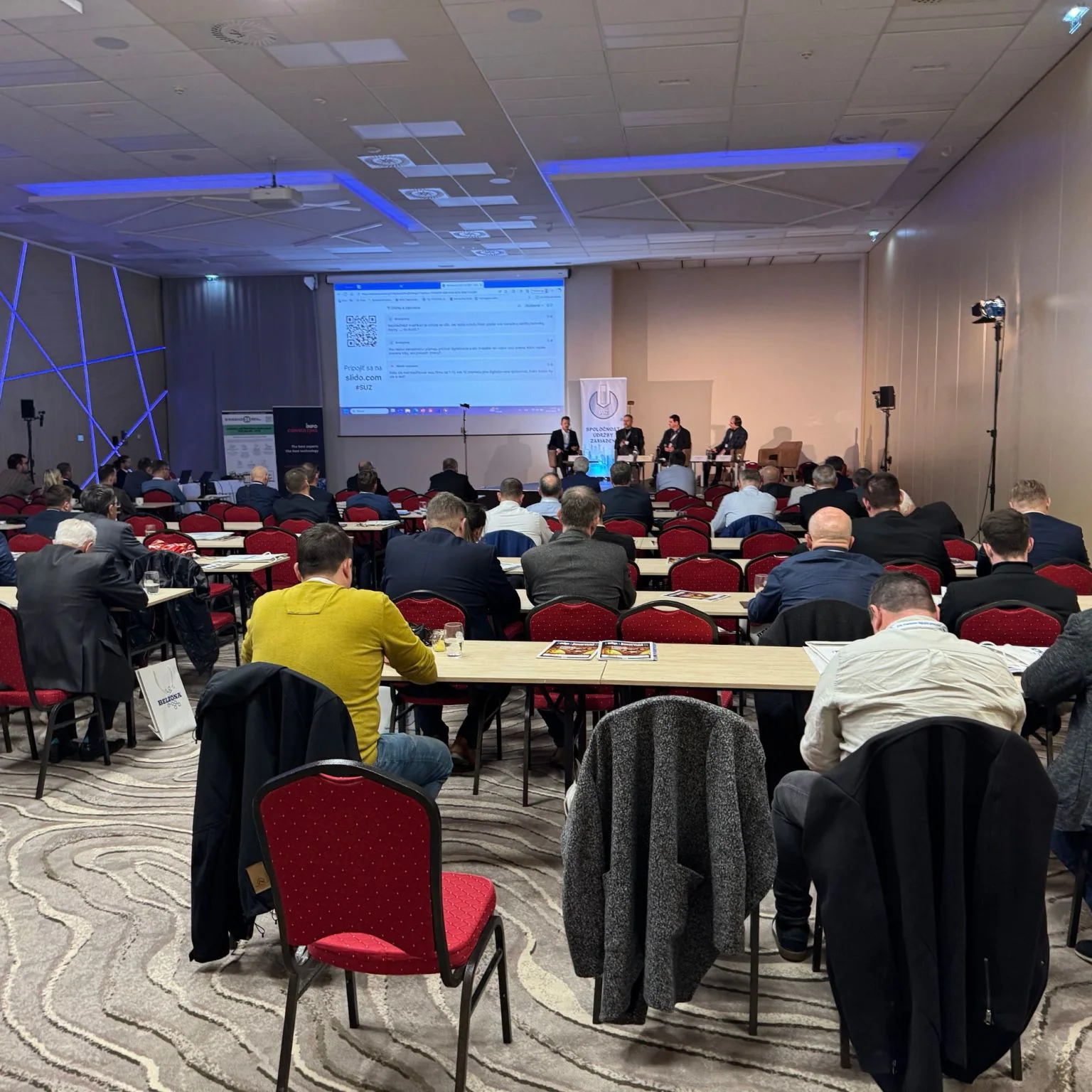
What will industrial inspections and maintenance look like in the years ahead? That was one of the key questions explored at SUZ – Digitalisation and Modern Methods in Maintenance, held on 3 December 2025 at Hotel Senec in Slovakia.
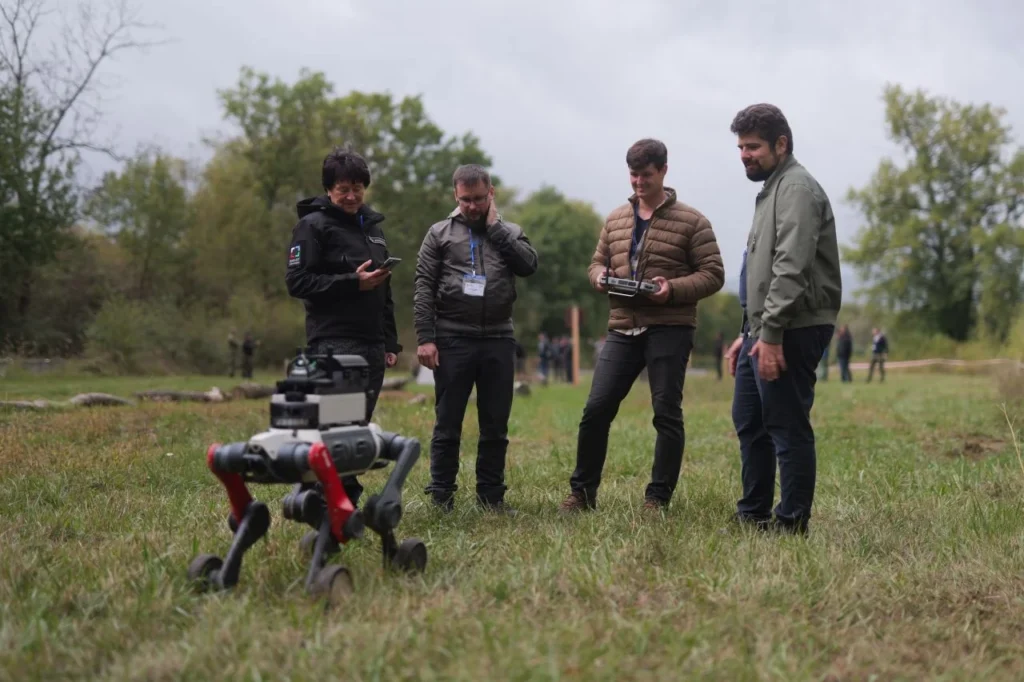
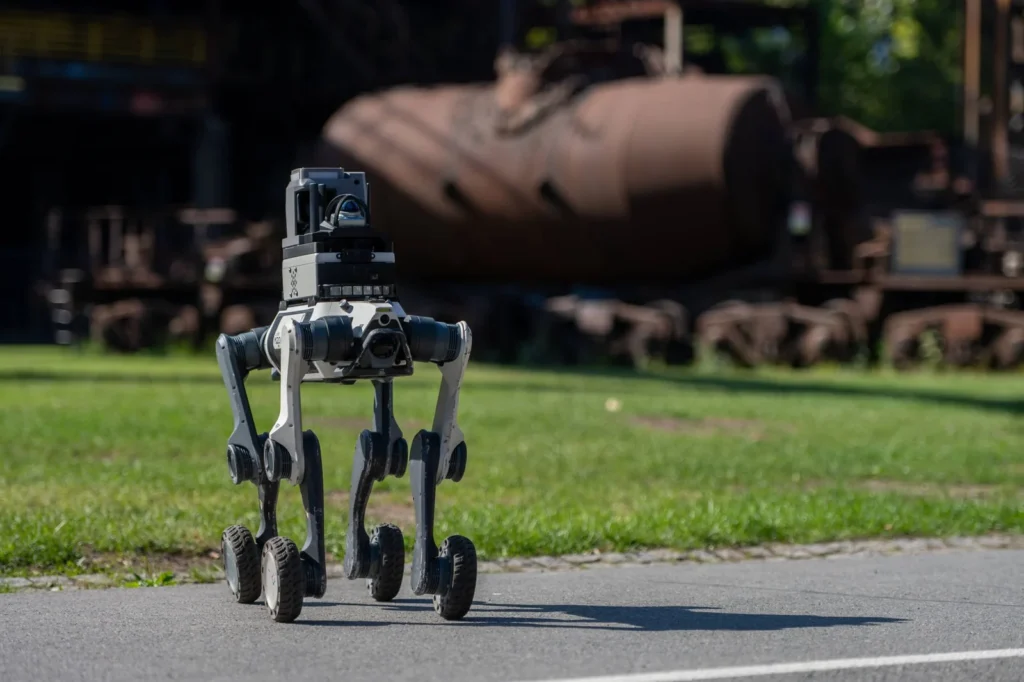
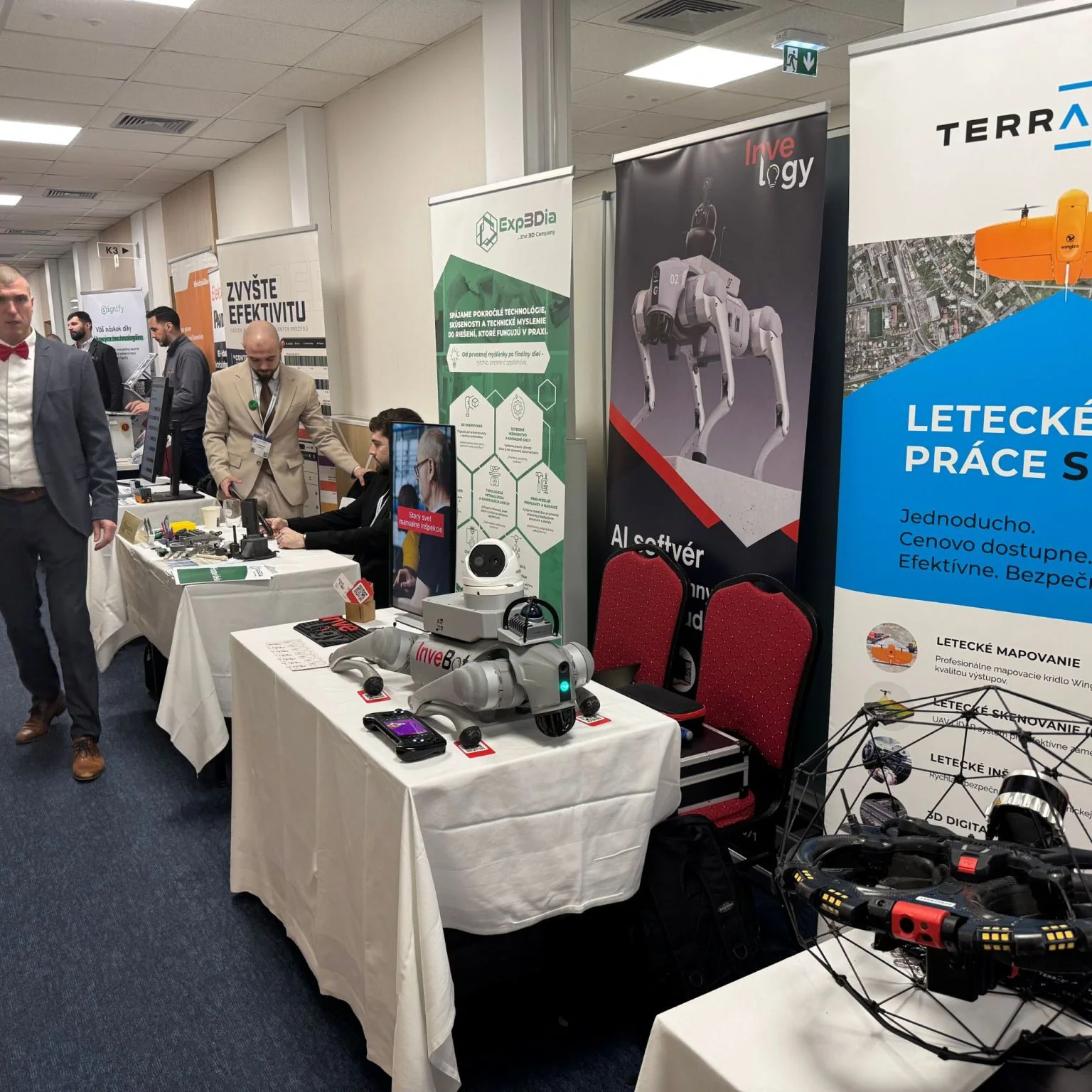
Invelogy attended the conference with our autonomous quadruped robot, giving maintenance, engineering and automation professionals a first-hand look at the technology we are developing.
The event was a valuable opportunity to discuss real-world applications of robotics, gather feedback from industry experts and share our vision for smarter, more automated industrial operations.
Industrial maintenance is undergoing a technological transformation
Industrial maintenance is no longer just about scheduled checks and repairing equipment after a breakdown. Manufacturers are increasingly adopting digital tools, automation and predictive approaches to identify potential issues before they become serious failures.
These developments were at the heart of the conference organised by the Slovak Maintenance Society (SUZ).
Key topics included:
- Digital maintenance workflows – more efficient asset management and better use of operational data.
- Robotic and drone inspections – automated data collection that reduces the need for personnel to be physically present at every inspection point.
- 3D-printed spare parts – faster production options and less dependence on lengthy supply chains.
- Advanced enterprise asset management (EAM) – smarter asset tracking and maintenance planning.
- Artificial intelligence – data analysis, equipment diagnostics and early anomaly detection.
- Safety and energy efficiency – using technology to improve industrial operations and reduce risk.
All these areas share a common goal: to make industrial assets safer, more reliable and more efficient to operate.
Autonomous robots as part of smarter maintenance
One of the recurring themes at SUZ 2025 was the role of autonomous systems in routine inspections. This is precisely where we see significant potential for our robotic solutions.
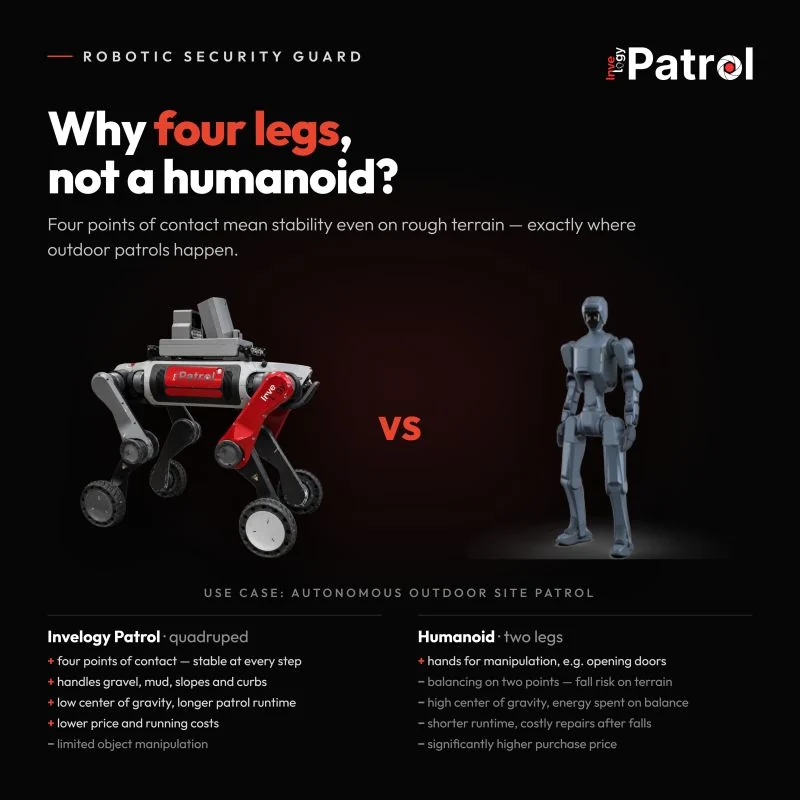
Quadruped robots can operate in places where conventional wheeled platforms face limitations. Their legged design helps them navigate uneven surfaces, move across different types of terrain and reach parts of industrial sites that can be difficult for other mobile platforms to access.
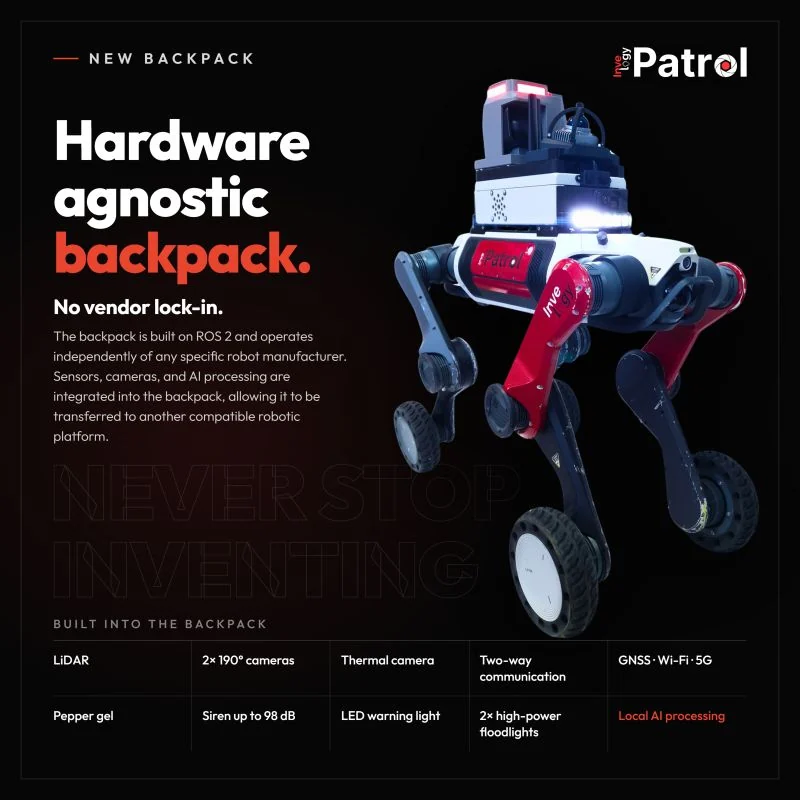
Combined with autonomous navigation, cameras, thermal imaging and AI, they provide a foundation for a new generation of industrial inspections.
How can a robot support maintenance teams?
Consider a large industrial site where dozens of machines and infrastructure assets need to be checked regularly.
Today, maintenance personnel often carry out these tasks by walking from point to point, recording observations and investigating anything that looks unusual.
An autonomous robot can take on some of that repetitive work. Following predefined routes, it can perform scheduled patrols, collect visual and sensor data and make that information available for further review.
Depending on its sensors and software configuration, such a system can support tasks such as identifying temperature anomalies, visually checking equipment and documenting the condition of selected areas of a facility.
The goal is not to replace skilled maintenance professionals. It is to give them tools that reduce repetitive work and free up more time for expert assessment and decision-making.
Invelogy: from robotic hardware to an intelligent system
At Invelogy, our work goes beyond building or integrating robot hardware. We focus on complete robotic systems that bring together autonomous navigation, artificial intelligence, sensors and remote management.
We develop our own software to help robots navigate their surroundings, execute scheduled missions and collect data without constant manual control.
Our technology is built around ROS 2 (Robot Operating System 2), giving us a flexible foundation for integrating different robot platforms and sensor packages.
This approach allows us to adapt our solutions to a range of applications, from autonomous security patrols to industrial inspections.
We believe the ability to use one robotic platform for multiple tasks is an important part of making robotics commercially viable across industrial environments.
Feedback from industry professionals matters
Some of the most valuable moments of the conference happened in conversations with people responsible for keeping industrial facilities running every day.
At our stand, we discussed how autonomous robots could be used for recurring inspections, equipment monitoring and operational data collection.
We were particularly interested in the challenges companies face on site: different operating conditions, technical constraints and the practical requirements of integrating robots into existing maintenance processes.
These discussions help guide our development priorities.
Technology delivers value when it solves a real problem for the people using it.
Direct feedback gives us a clearer understanding of which capabilities matter most in practice and where to focus our efforts next.
The future of maintenance is more autonomous – but remains human-led
Robotics and AI are gradually changing how industrial companies maintain and monitor their facilities.
Autonomous robots can take over repetitive inspection tasks, improve access to operational data and reduce the need to send personnel into potentially hazardous areas.
However, technical assessment, decisions about interventions and operational accountability remain with people.
We believe human expertise, autonomous robots and artificial intelligence working together will be central to the next generation of industrial maintenance.
Thank you to the SUZ community
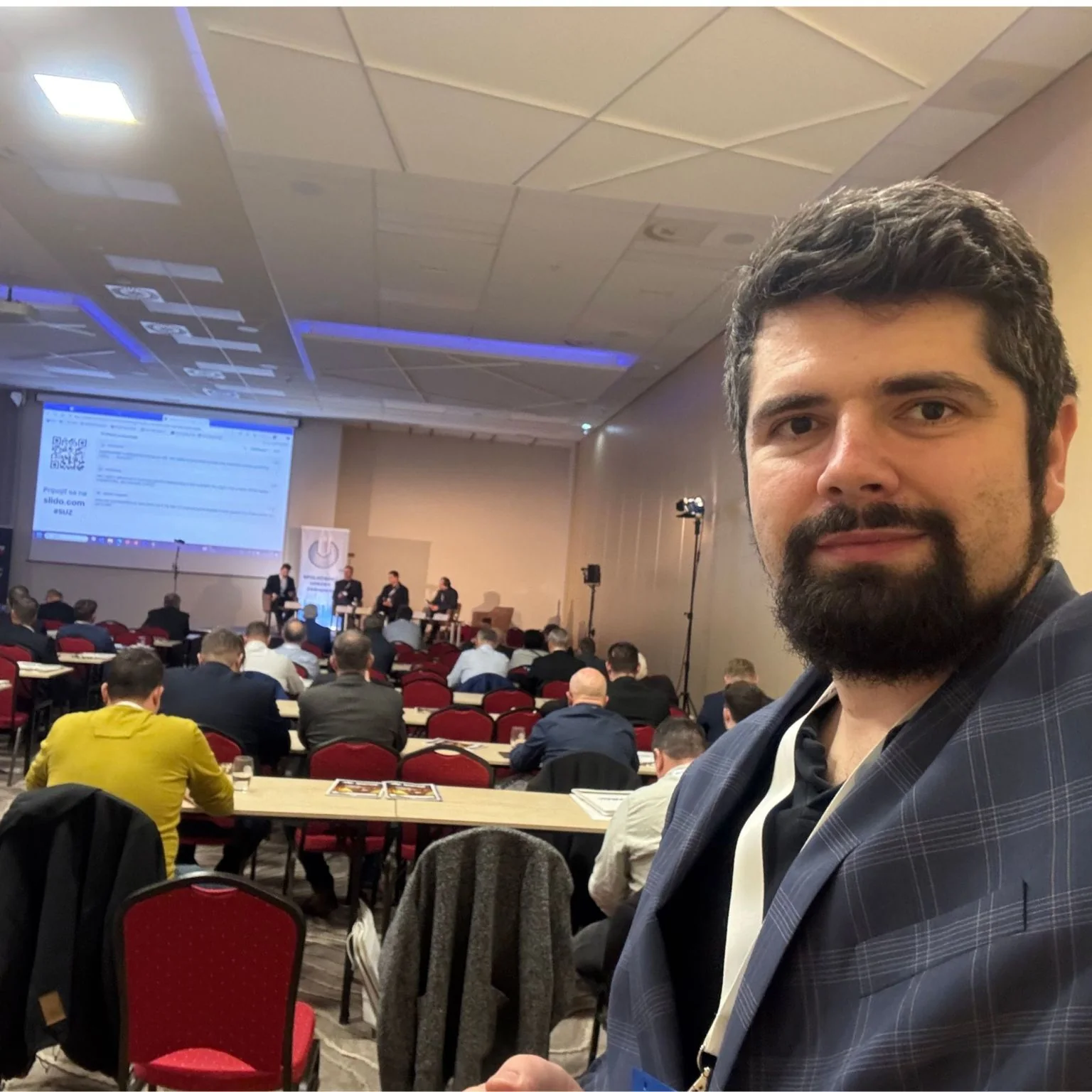
Attending SUZ – Digitalisation and Modern Methods in Maintenance gave us new contacts, insightful conversations and valuable ideas for the continued development of our technology.
Our thanks go to the Slovak Maintenance Society (SUZ) for organising the event and to everyone who visited our stand, asked about our robotic systems or shared their views on the future of industrial automation.
We look forward to more opportunities to connect and demonstrate what practical robotics can bring to industry.
Photo gallery: SUZ 2025

Curious how autonomous inspections would work at your facility? Book a demo.