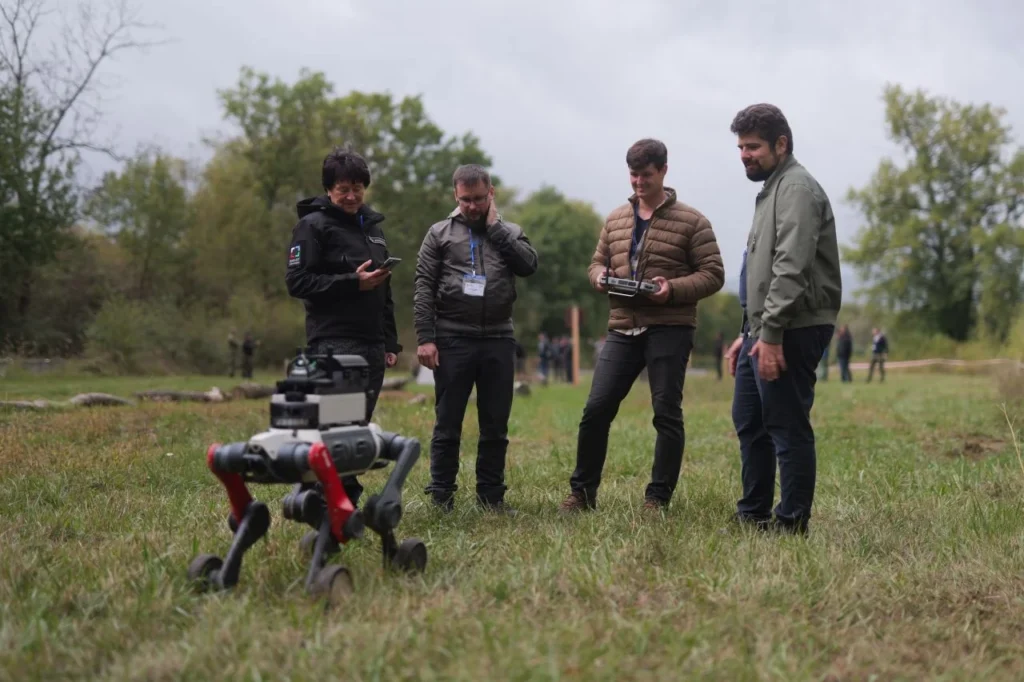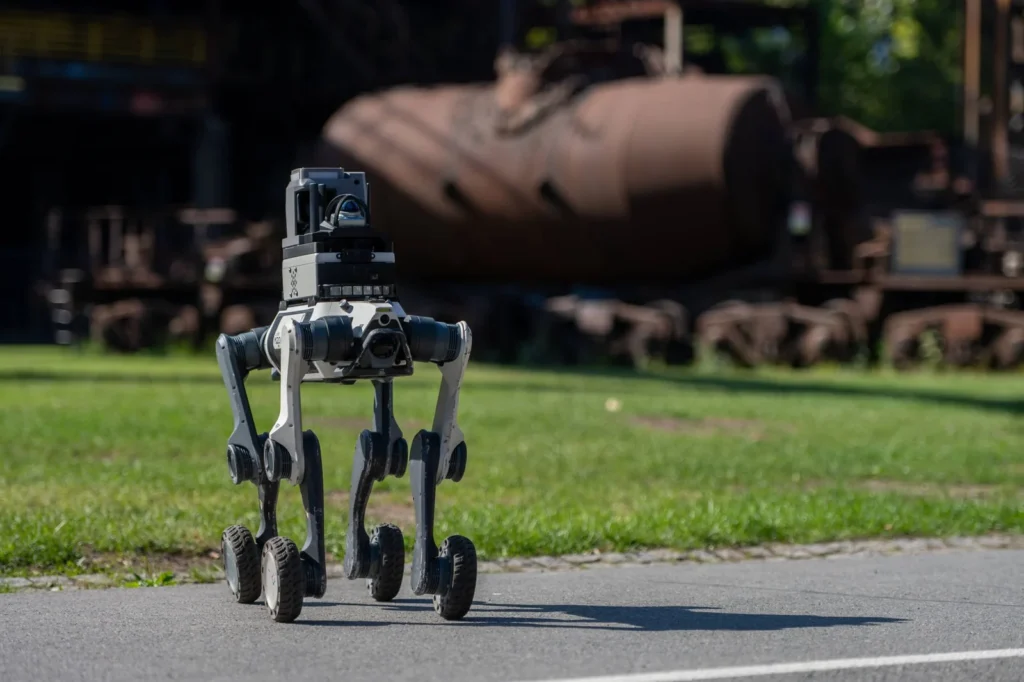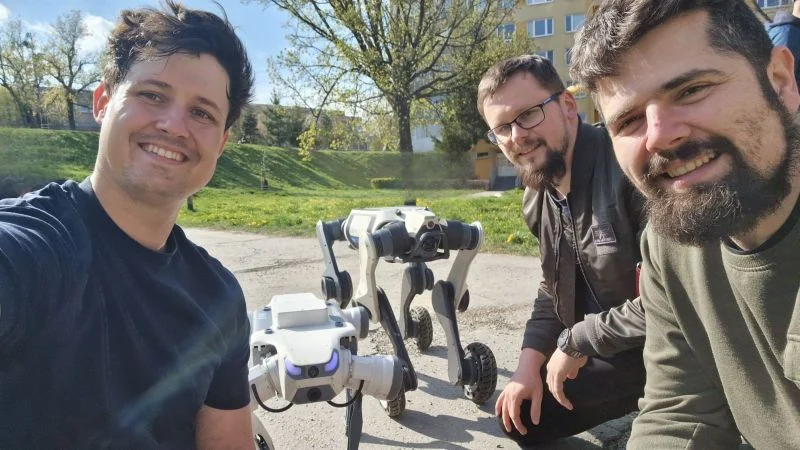
A robot may perform well in the lab. But how does it cope with real stairs, slopes and uneven ground? To find out, we took the DEEP Robotics M20 Pro and Lite3 outdoors for hands-on mobility testing. These April trials were another step in understanding how mobile robots could support security patrols and industrial inspections.
The photos and video show our actual hardware in action. No AI-generated footage or simulated demonstrations—just robots operating in a real environment.
Why the real world matters
In a controlled space, nearly every movement can be anticipated. Outdoors, a robot encounters curbs, steps, worn concrete, uneven surfaces and changes in grip. A route that looks simple on a map may be far more demanding in practice.
That is why we look beyond specification sheets. We want to see how a platform moves, how it maintains balance and what happens when the terrain changes unexpectedly.
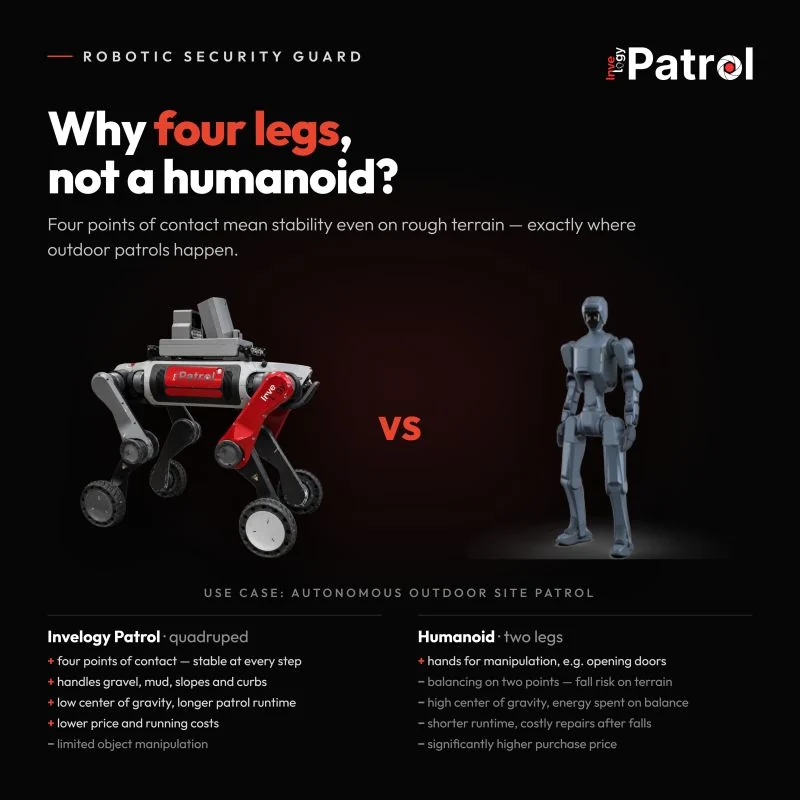
Our initial sessions involved both the Lite3 and the M20 Pro. We paid particular attention to the M20 Pro, a wheel-legged platform that combines rolling motion with actively articulated legs. This design is especially interesting for sites with a mix of paved routes and more challenging sections.
Watch the M20 Pro take on an outdoor staircase
One of the most useful parts of the testing was navigating an outdoor flight of steps. In the footage, the M20 Pro coordinates its legs and wheels as it moves from one step to the next.
Watch our original test footage:
The platform is associated with the following maximum specifications. These figures should not be mistaken for measurements taken in the video:
- Stair climbing: steps of up to 25 cm, as stated in the platform specifications.
- Inclines: up to 45°; we also explored steep slopes during our broader outdoor trials.
- Speed: up to 5 m/s as a maximum figure, not the speed used on the stairs.
- Perception: LiDAR providing 360° coverage around the robot.
- Battery runtime: up to three hours, depending on load and operating conditions.
Actual performance varies with traction, surface conditions, incline, payload and control strategy. The footage demonstrates the platform’s capabilities in a specific real-world setting; it is not a promise that every similar obstacle can be crossed under all conditions.
What this means for autonomous security
Industrial sites, logistics centres and energy facilities rarely resemble smooth laboratory floors. Patrol routes may include access ramps, outdoor steps, service paths and damaged pavement.
If a robot is to carry out useful inspection or security tasks, it needs more than the ability to move across level ground. Its mobility limits must be understood so routes can be planned safely and reliably.
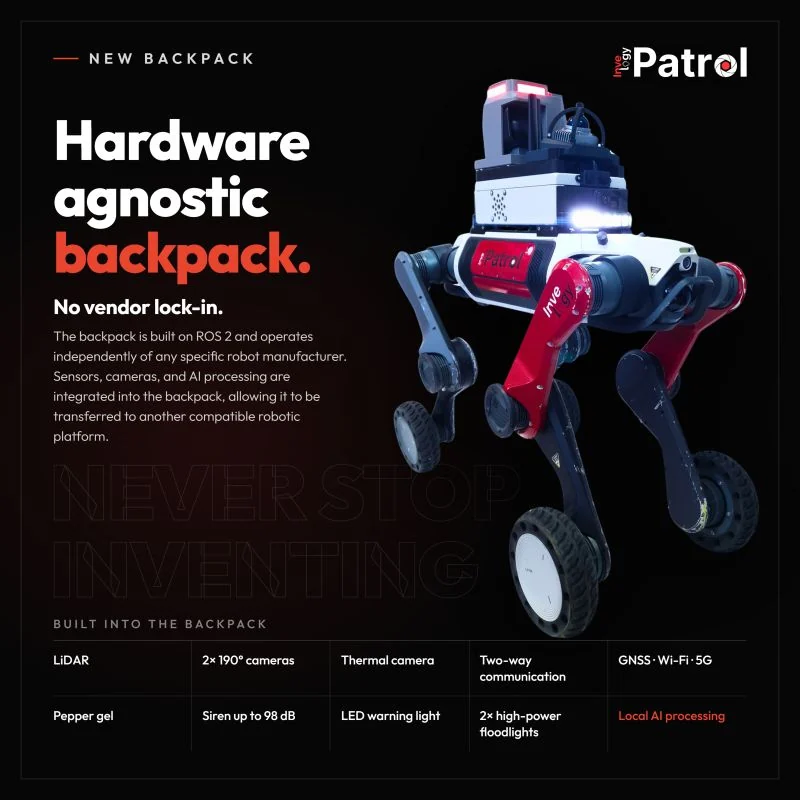
With Invelogy Patrol, our goal is to bring mobile robots together with sensing, autonomous navigation and software for site monitoring. Practical terrain tests help us assess which environments are suitable for further development—and which challenges still need engineering work before deployment.
Importantly, climbing a staircase is not proof of autonomous navigation. Autonomy also requires mapping, route planning, obstacle detection and safe behaviour in changing surroundings. Those capabilities must be evaluated separately.
Field testing is only the beginning
Testing is one part of our development process. Another is discussing potential use cases with the people who would work with these systems. We also present our platforms at industry events to gather feedback and better understand operational requirements.
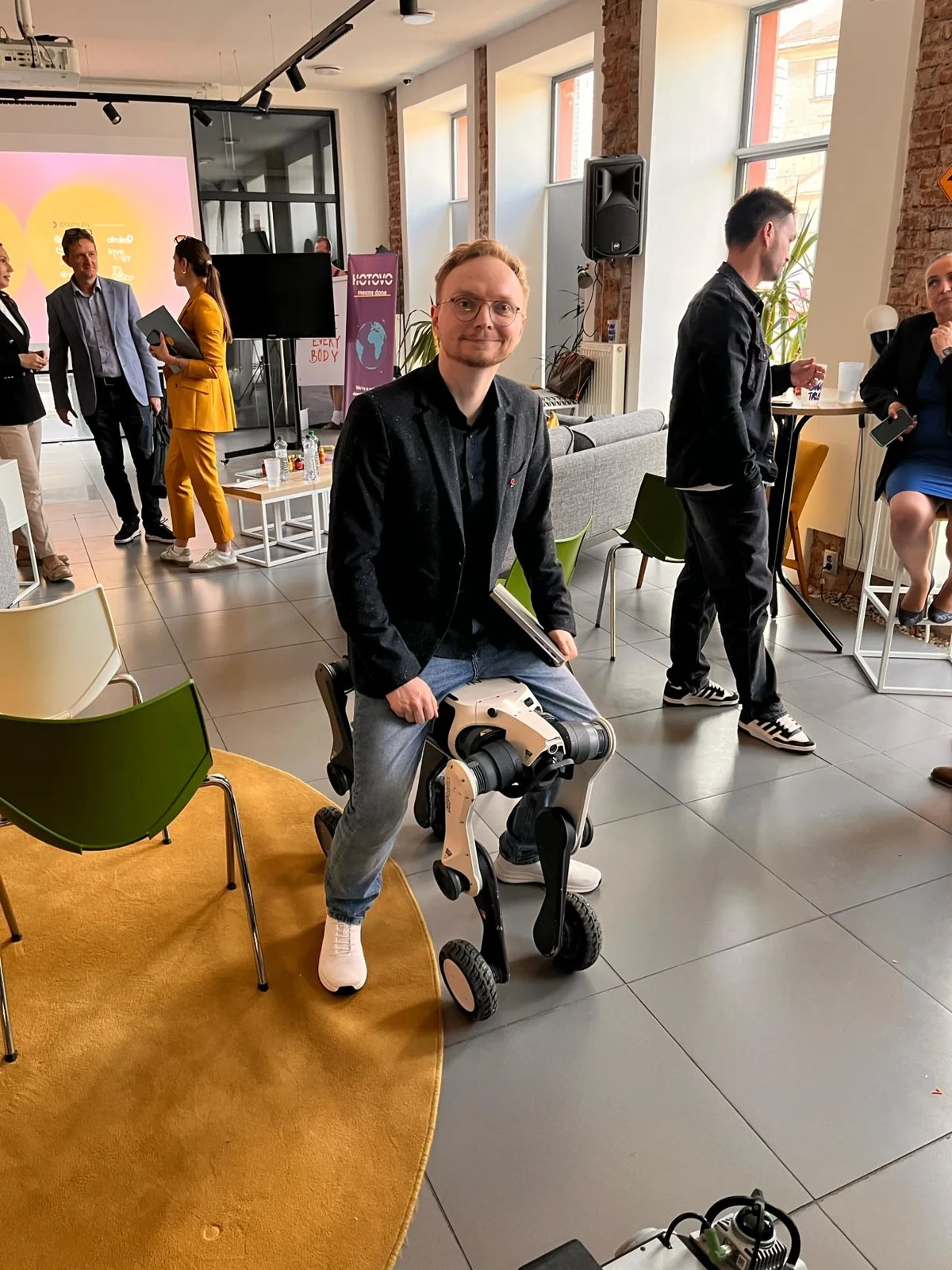
Our objective is not simply to show a robot performing an impressive manoeuvre. We want to understand its limitations and develop solutions that can deliver practical value on real sites.
What’s next for Invelogy?
Further testing will focus on more demanding surfaces, repeatability and the integration of robotic platforms with our own software and sensor modules.
Could mobile robots support patrols or inspections at your site? Get in touch. We would be happy to discuss the opportunities, constraints and practical requirements for your environment.