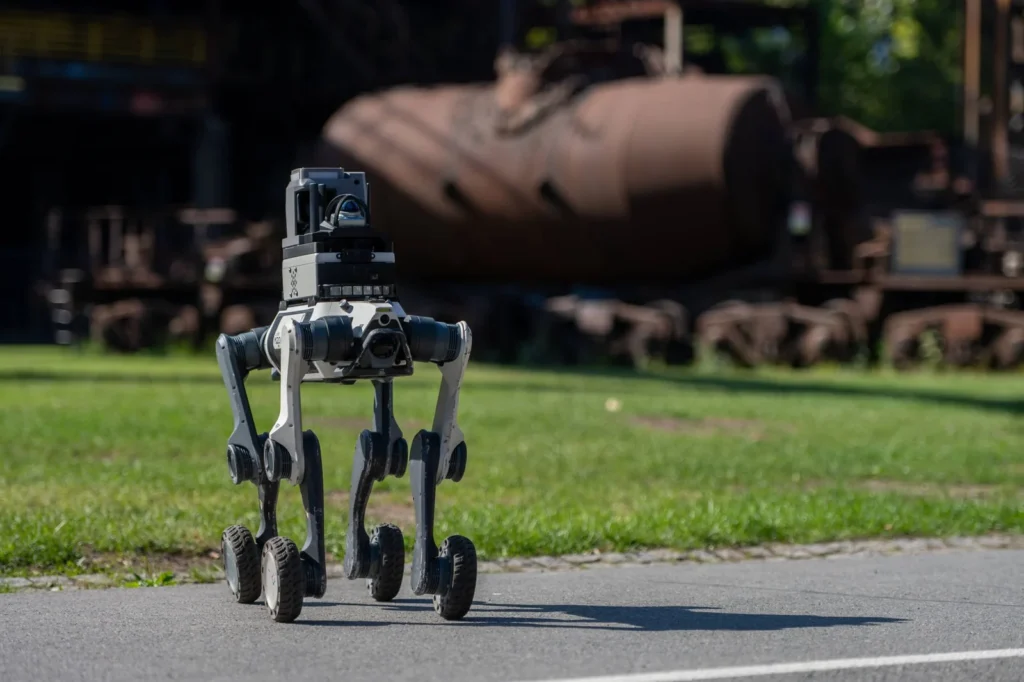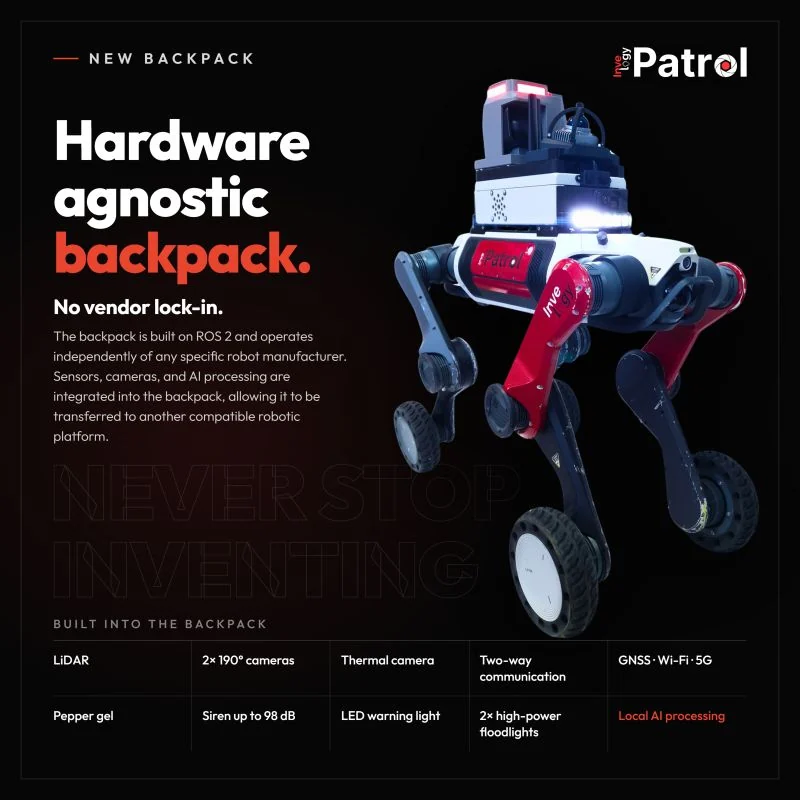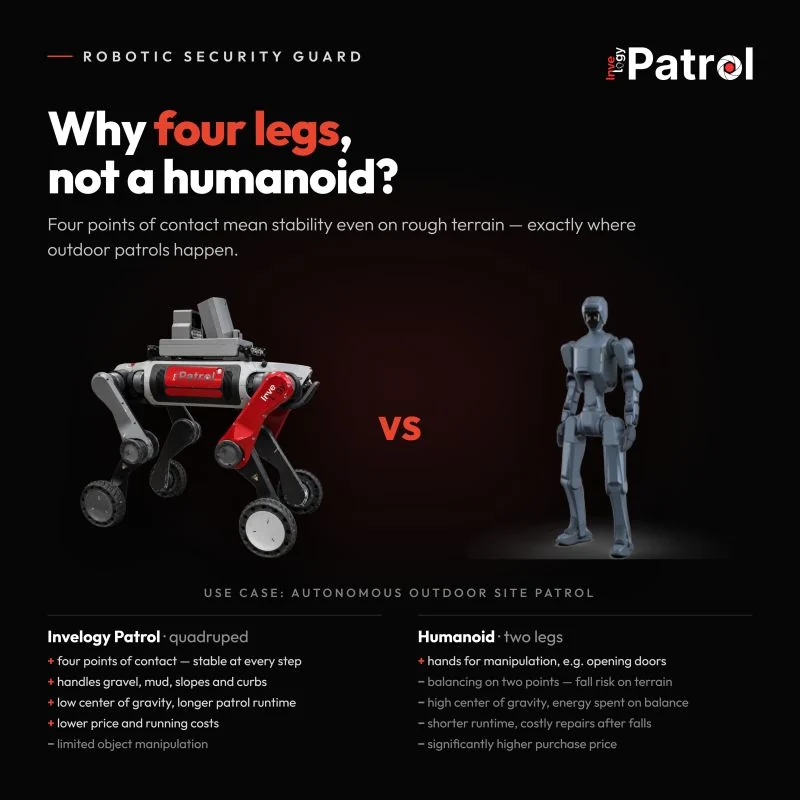
Today, Invelogy Patrol brings together mobile robots, sensors, autonomous navigation and software designed for security patrols. But the idea behind a mobile robotic security guard dates back long before today’s quadruped platforms and powerful AI systems.
In September 2013, the idea for SecuBot was born: a robot with a practical purpose, designed to monitor an area and be controlled remotely. Jozef Orenič documented those early experiments in articles published in 2016 and 2018. Revisiting them shows how much of engineering progress starts with straightforward questions and imperfect prototypes.
2013: The Original SecuBot Idea
The name SecuBot combines security and robot. From the outset, the goal was practical: build a mobile device that could move around, stream a view of its surroundings and let someone check a location without being physically present.
An earlier experiment used a wooden chassis, an Arduino, relays and Bluetooth communication. It worked as a starting point, but Bluetooth range was a serious limitation. A remote security robot needed to communicate over much greater distances than a local wireless connection could provide.
The answer at the time was 3G mobile connectivity. A smartphone carried by the robot handled image and data transmission, Bluetooth linked it to the motor-control electronics, and a server provided a connection to the remote user. By today’s standards, this was a basic architecture. For an early prototype, however, it demonstrated how remote monitoring could work beyond a short-range radio link.
The First Working Prototype: Remote Control and Live Video
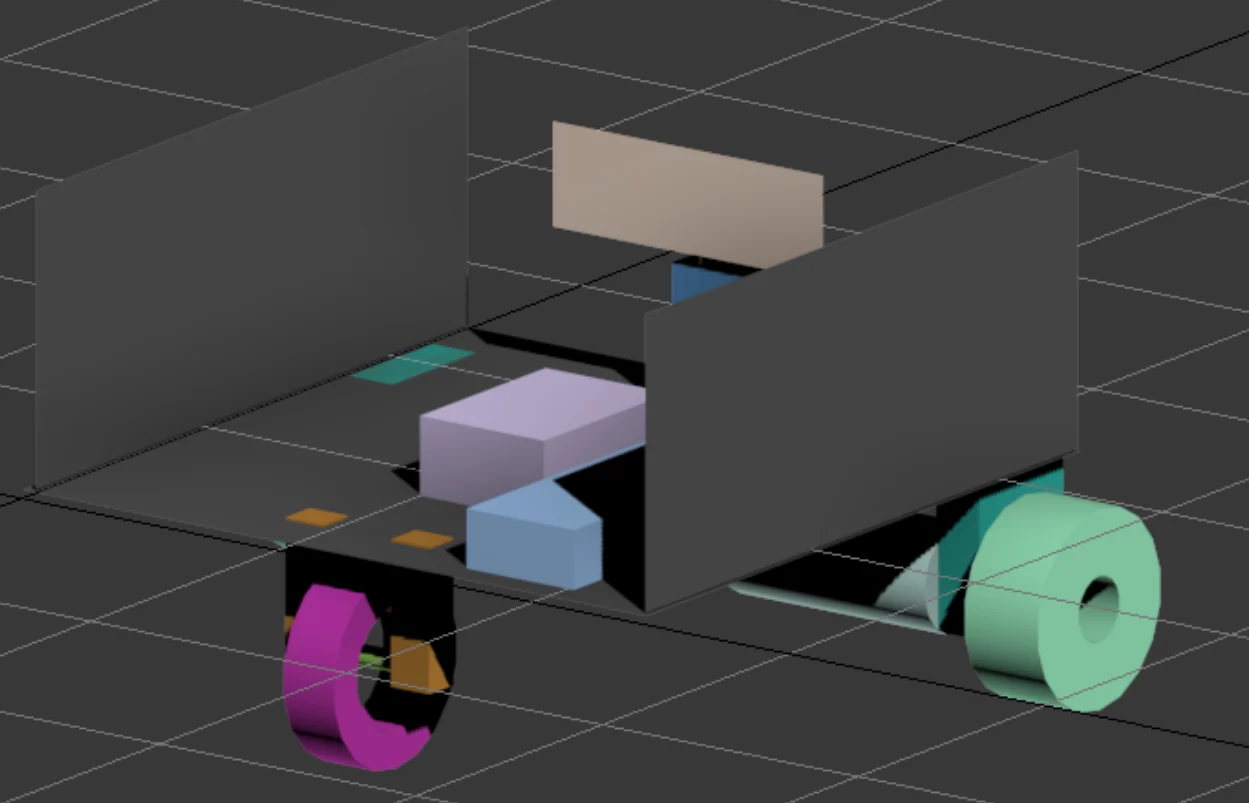
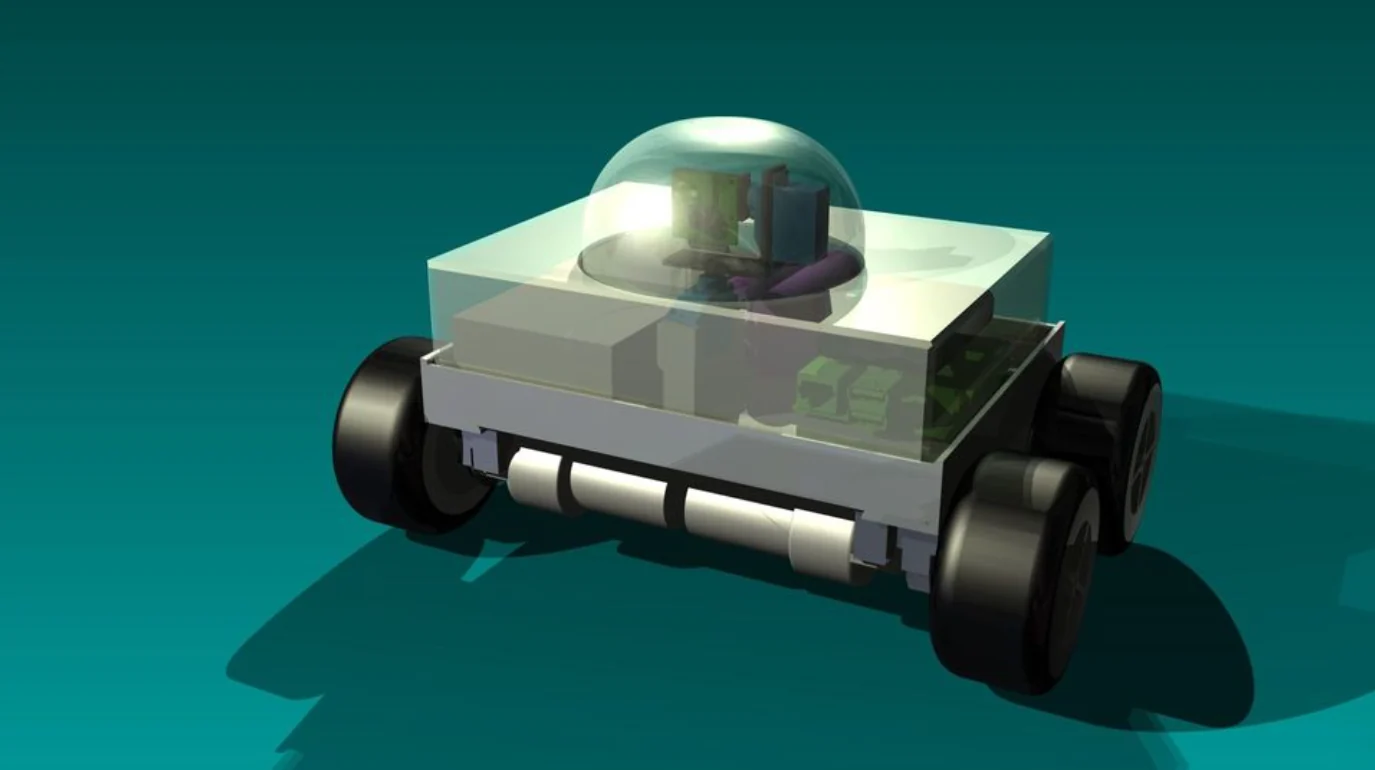
Initial CAD models brought the main components together: motors, batteries, a controller and a movable smartphone mount. A small servo motor was intended to rotate the phone, giving the operator a wider field of view without turning the entire robot.
According to the original development notes, a functional prototype could be controlled over 3G and delivered roughly four video frames per second, with a delay of around two seconds. It could also move across moderately challenging ground. Those figures would fall short of modern security requirements, but the experiment proved something important: a robot could act as an operator’s eyes at a remote location.
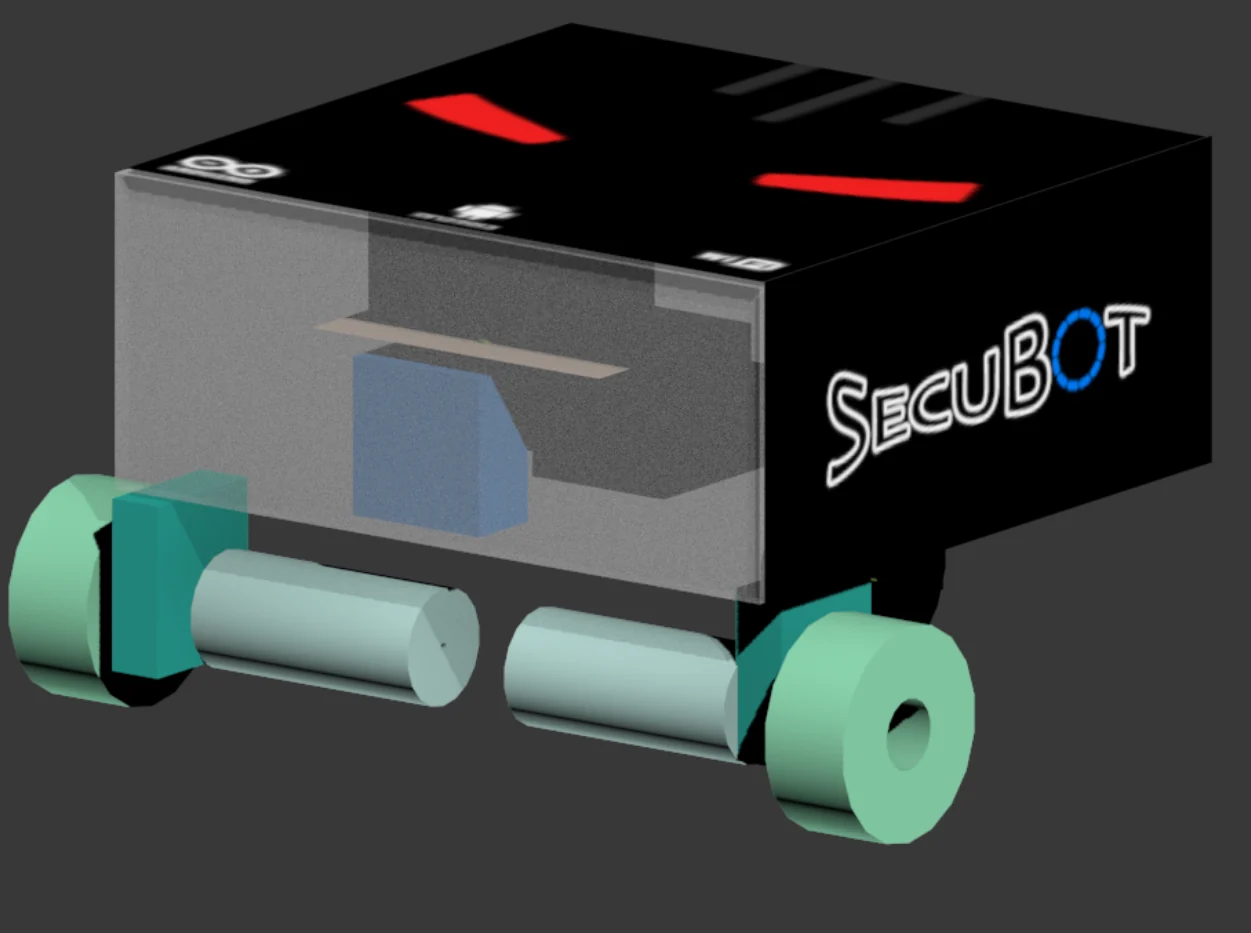
Mechanical protection mattered too. Early design work led to a black enclosure with a transparent front panel, followed by more open-looking concepts with clear panels and a dome for the camera. The process was already about more than getting motors to turn; it was about bringing an entire system together.
A New Design: Dedicated Electronics Instead of a Smartphone
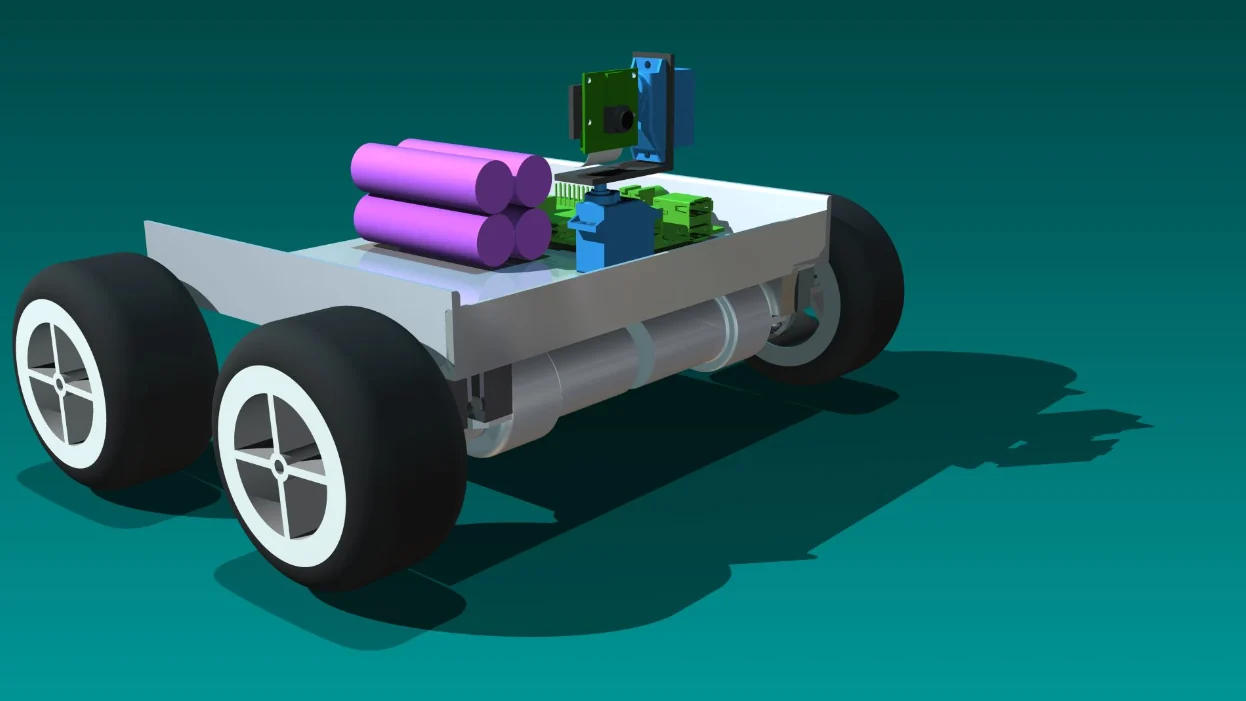
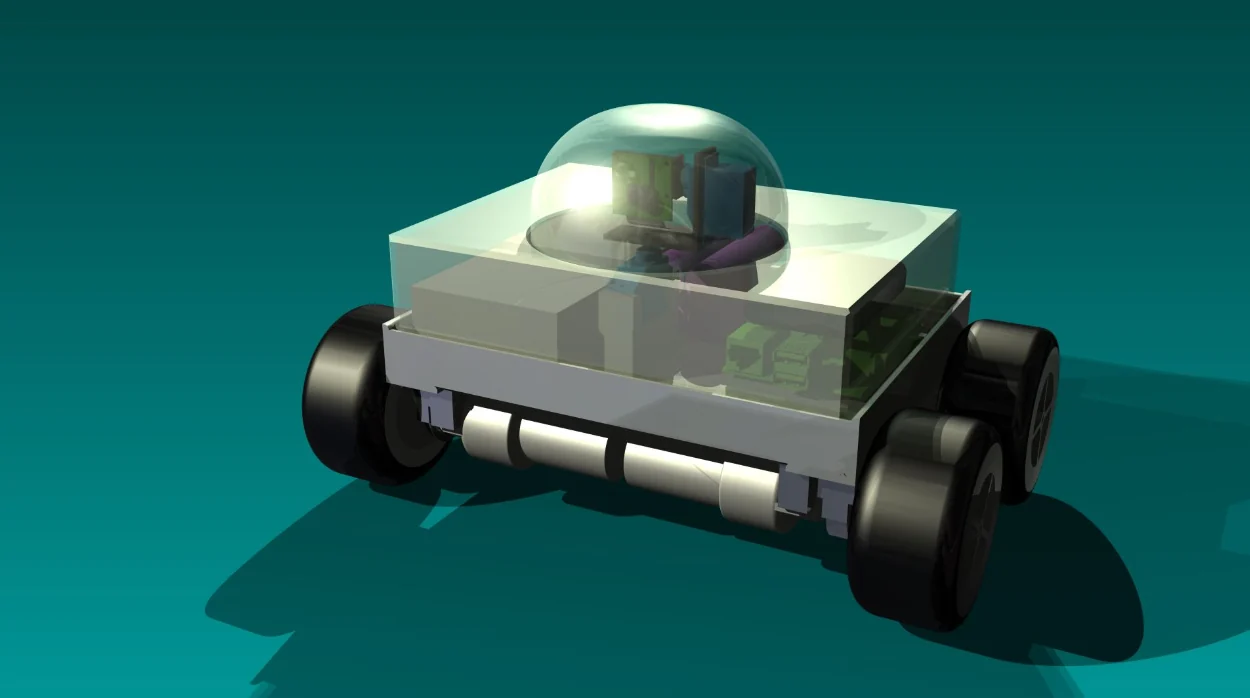
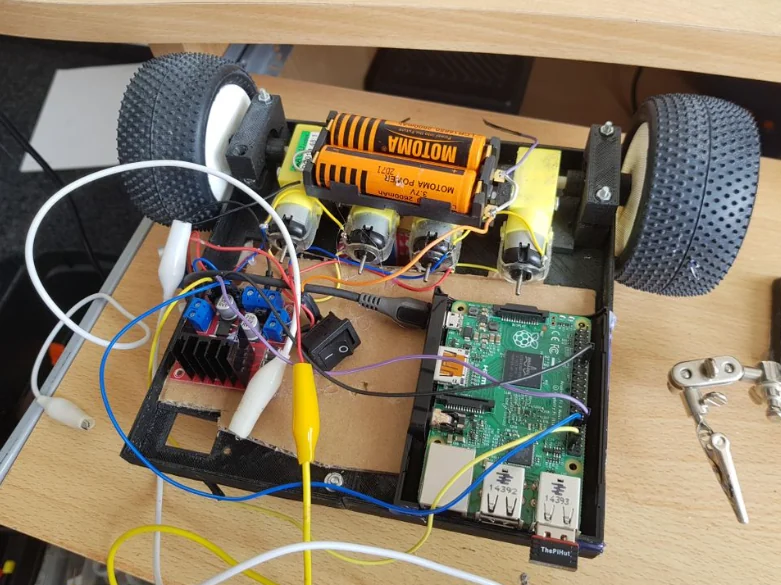
The next design proposed replacing the smartphone with a Raspberry Pi, a dedicated camera capable of moving on two axes, a USB mobile modem and a more powerful four-wheel-drive system. An aluminium frame and four 18650 battery cells were part of the concept.
One small detail captures the spirit of prototyping particularly well. Rather than manufacture a custom camera dome, the design used the housing of an inexpensive dummy security camera. It offered a practical way to test the layout without building every component from scratch.
This second development phase was never completed. Much of the hardware and construction material had been obtained, but there was not enough time to finish the build. It remains a documented concept, not a fully tested production robot.
2018: SecuBot Alpha and the 24-Hour Challenge
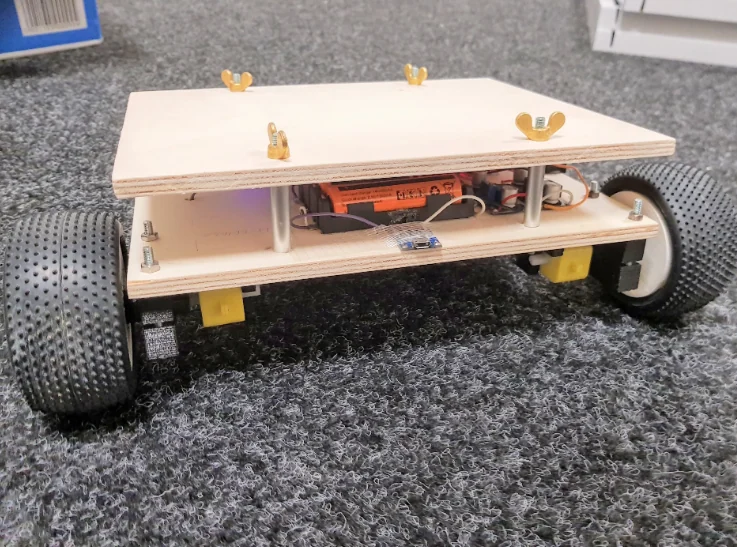
The project returned in 2018 under the name SecuBot Alpha. A new challenge was set: design a small robot capable of operating across a 24-hour period, including communication, occasional movement and low-power sleep modes.
Four areas took centre stage: energy consumption, solar charging, mobility and reliable communications. The plan included three solar panels rated at approximately 18 W peak combined, 18650 batteries and a schedule that alternated active operation with periods of sleep.
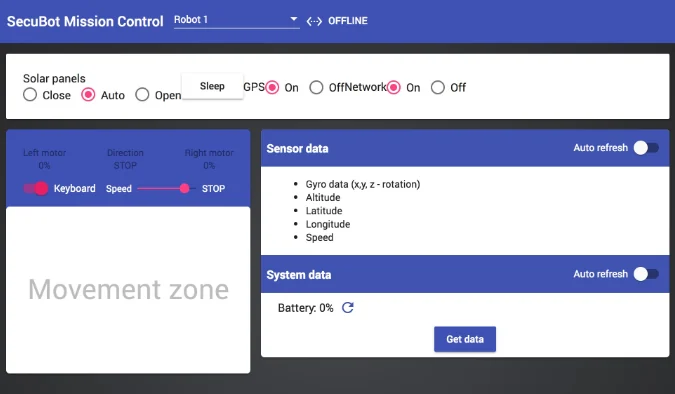
Software development also moved forward. SecuBot Mission Control was an experimental web interface for controlling and observing the robot. Development notes describe Wi-Fi communication, a server, WebSockets and a front end built with Angular 5.
There is an important distinction here: 24-hour operation was the aim of the challenge, not a verified result in the available project notes. Treating proposed performance as a test goal rather than an achieved milestone is essential to sound engineering.
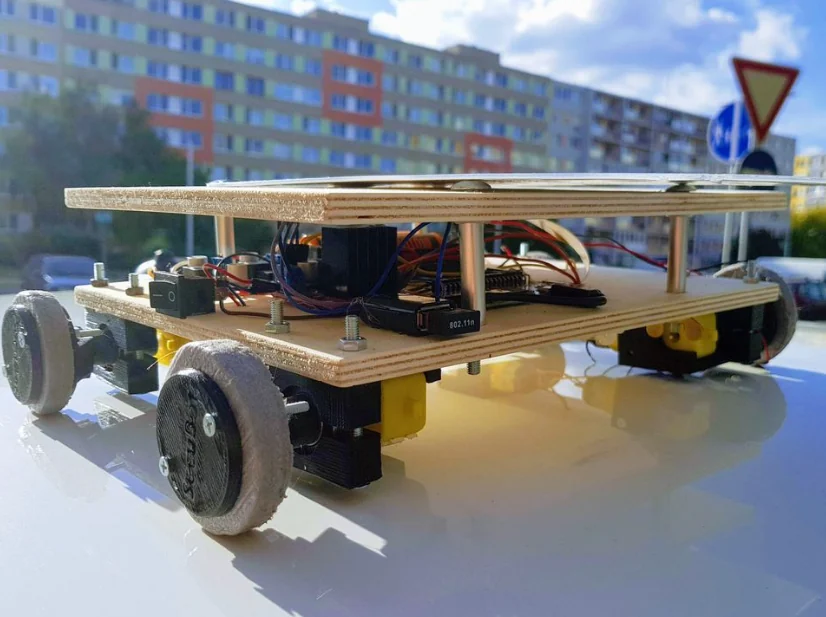
Custom Wheels: A Small Change with a Big Impact
In September 2018, attention turned to the wheels. The original wide tyres looked substantial, but they placed unnecessary demands on a relatively modest drive system designed for low power consumption.
SecuBot Alpha therefore received custom-designed, 3D-printable wheel rims and lightweight experimental tyres made from polystyrene foam. Their narrower dimensions and smoother surfaces were deliberate choices intended to reduce rolling resistance while retaining enough grip for the test conditions.
Because the rims were adaptable, it would also be easier to try different tyre sizes and widths later. The lesson was simple: robot performance depends on good mechanical design just as much as electronics and software.
What Connects SecuBot with Today’s Invelogy Patrol?
Almost everything has changed since those early four-wheel prototypes: computing hardware, sensors, navigation and integration options. Yet the central challenge remains familiar: how do we collect useful information from a real environment and deliver it to the people responsible for making decisions?
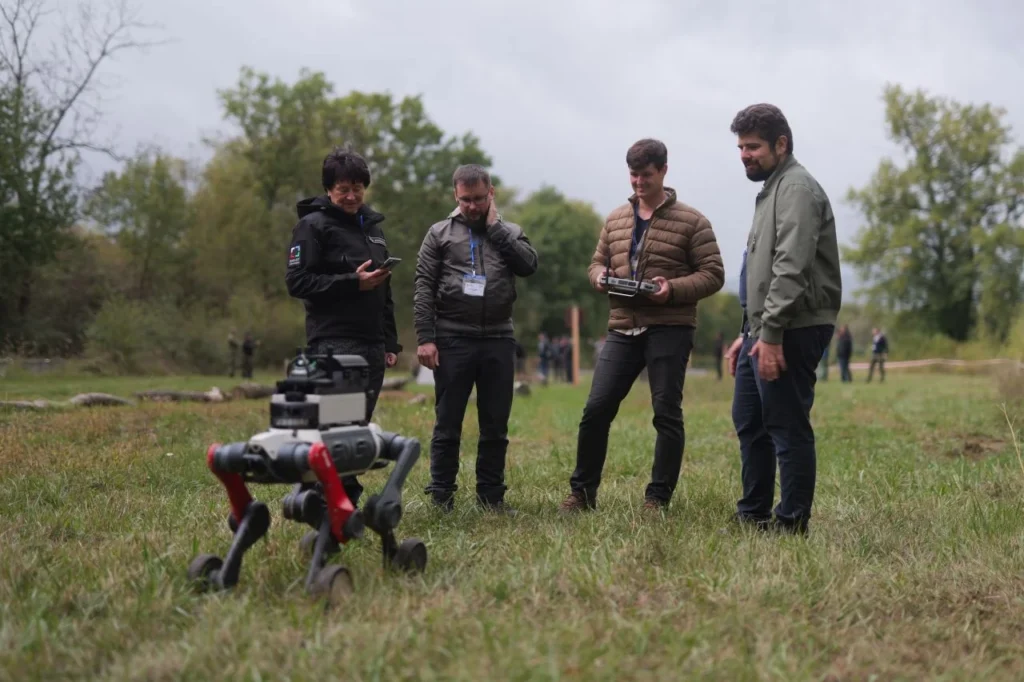
With Invelogy Patrol, we now work on autonomous patrol routes, LiDAR-based navigation and proprietary modular hardware. Our ROS 2-based system and sensor backpack are designed to keep core security functions independent of any single robot manufacturer. Human operators remain central to interpreting incidents and deciding what action to take.
SecuBot from 2013–2018 is not the same technology as today’s Invelogy Patrol. It is part of the history of an idea that continues to guide our work: building robotics that solve real-world problems.
The Value of Looking Back
Old CAD files, exposed wires and a wooden chassis may seem far removed from modern autonomous robots. But they tell an important story about iteration, testing and learning what actually works.
If your organisation is exploring autonomous patrols for industrial sites, logistics facilities or other properties, get in touch with Invelogy. We would be pleased to discuss where robotic monitoring can deliver practical value.
Original Project Notes and Archive
This retrospective draws on three articles published on Jozef Orenič’s blog: SecuBot – robot ochrankár a jeho začiatky (2016), SecuBot Alpha – 24 hodinová výzva (2018) and SecuBot Alpha – Nové kolesá (2018). An archived movement demonstration is also available.
Photo Gallery: Early SecuBot Designs and Prototypes